
Upcoming book
If My Grandmother Isn't in Heaven, No One Is
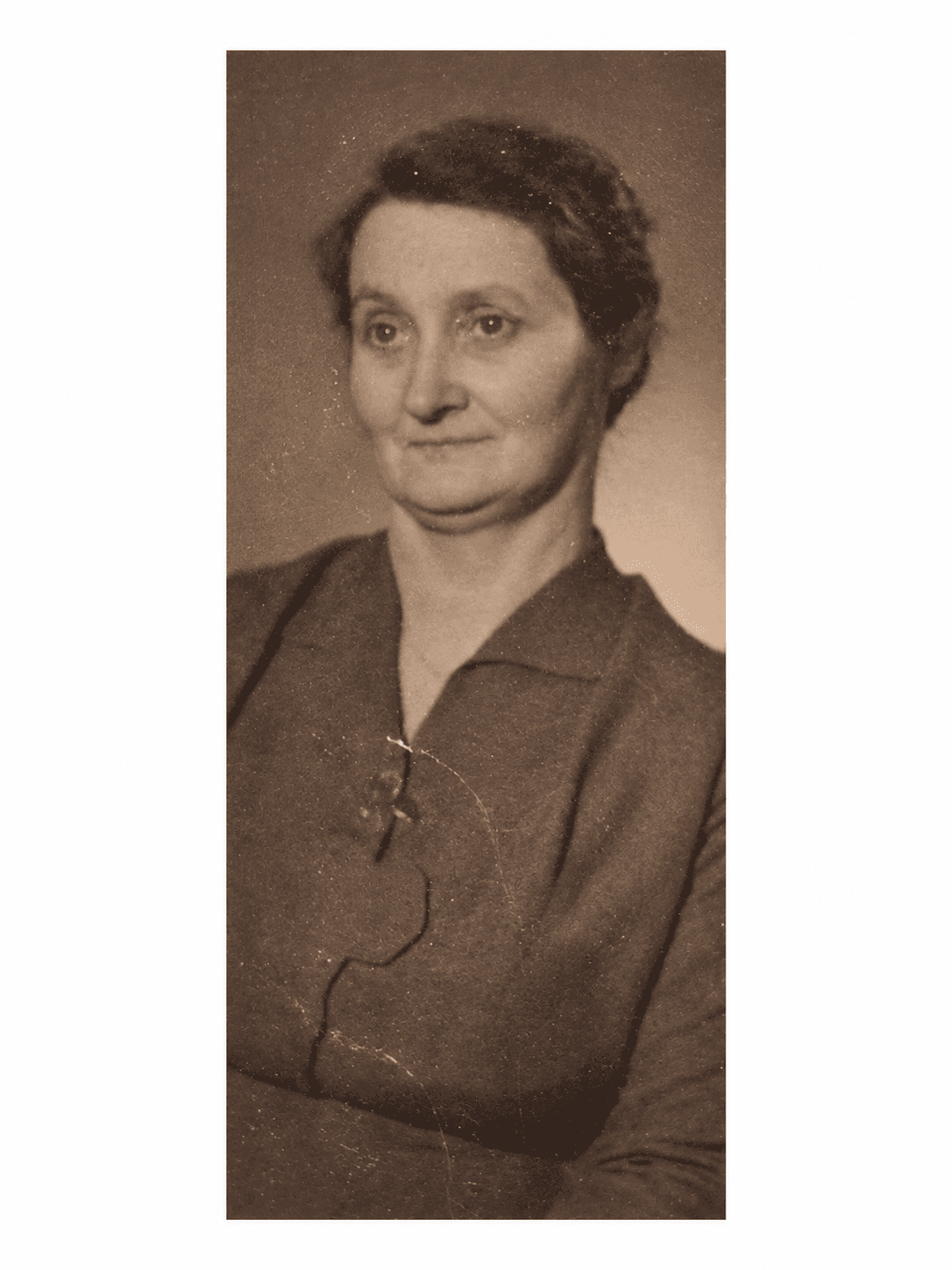
Maria's next book begins in her own family history. It tells the story of her grandmother, Hilma Broström, née Töyrä in 1909, and of a childhood far removed from the one we know today.
Maria's next book begins in her own family history. It tells the story of her grandmother, Hilma Broström, née Töyrä in 1909, and of a childhood far removed from the one we know today.
Hilma grew up in Karesuando, in Sweden's far north, and spent her school years at an arbetsstuga – a residential school home where the children lived during term and were only allowed home to their families at Christmas and over the summer holidays. Some years the deep snow and the bitter cold made even the journey home for Christmas impossible. The arbetsstugor served as boarding homes for, among others, children who lived far from school, and thousands of children spent part of their upbringing there.
As an adult, Hilma wrote down the story of her childhood herself. She tried to have it published, but no one would take it on. Now, a generation later, Maria is carrying her manuscript forward, giving her grandmother's story the space it never received then.
It will be a story about a woman's life, an era, and a part of Swedish history that has rarely taken centre stage – and about how a woman's words can live on, even when at first no one listened.
The pride in having our grandmother's story written down runs deep through the whole family. We all grew up close to her – quiet, watchful and caring. Once it was Hilma's eleven children and twenty-eight grandchildren who got to hear her tales and stories. Now, with this book, they are there for everyone. Few women are granted the good fortune of seeing their own story set down in writing. A story, and a document of its time, about an entirely ordinary girl in the north!
Life in the far north
Life was hard up there in the north, close to Norway, Russia and Finland. Birth and death were always near. One way people helped one another was to draw on the Sámi knowledge of herbs, salves and magic. Reindeer meat and what people grew were what they bartered with – and the coffee and the salt should not be forgotten. Nature was always present; short summers and long dark winters were everyday life for people then, just as they are now.
These days people often talk about the disagreements between the Sámi and the Swedes. That is not what my grandmother describes. She describes the natural cooperation, the barter between the nomads – the Sámi – and the settled Swedes. A life in the north so unlike life further south.
From the book
Here is a passage from a chapter in which my grandmother describes what happened when the Sámi woman accidentally spilled hot coffee on my grandmother's little sister:
The Sámi woman thought it so dreadful that she had caused the child this suffering that she wanted to stay and help care for the little one. The burns showed no sign of healing. The burn covered much of the small girl's body. The sores would sometimes get a little better, and then they would worsen again. At last the Sámi woman asked whether she might tend the child as she saw fit, since the medicine did not seem to work. Mother gave her a free hand, for everything seemed in vain. The girl had always been small, and now she grew smaller still. Mother ate and drank to keep her breast milk for her, because she could still suckle; the nursing mattered. Everyone believed that my little sister would die sooner or later. The Sámi woman was given leave to care for her in her own way and with her own knowledge. First she laid a clean linen cloth over the sores, and on top of it dried reindeer meat with fat in it. It was a kind of drawing poultice, meant to draw the badness out of the sores. She kept this up for several weeks. My little sister recovered, but the marks stayed with her.